
Guardians of Gaia – Mare Nostrum
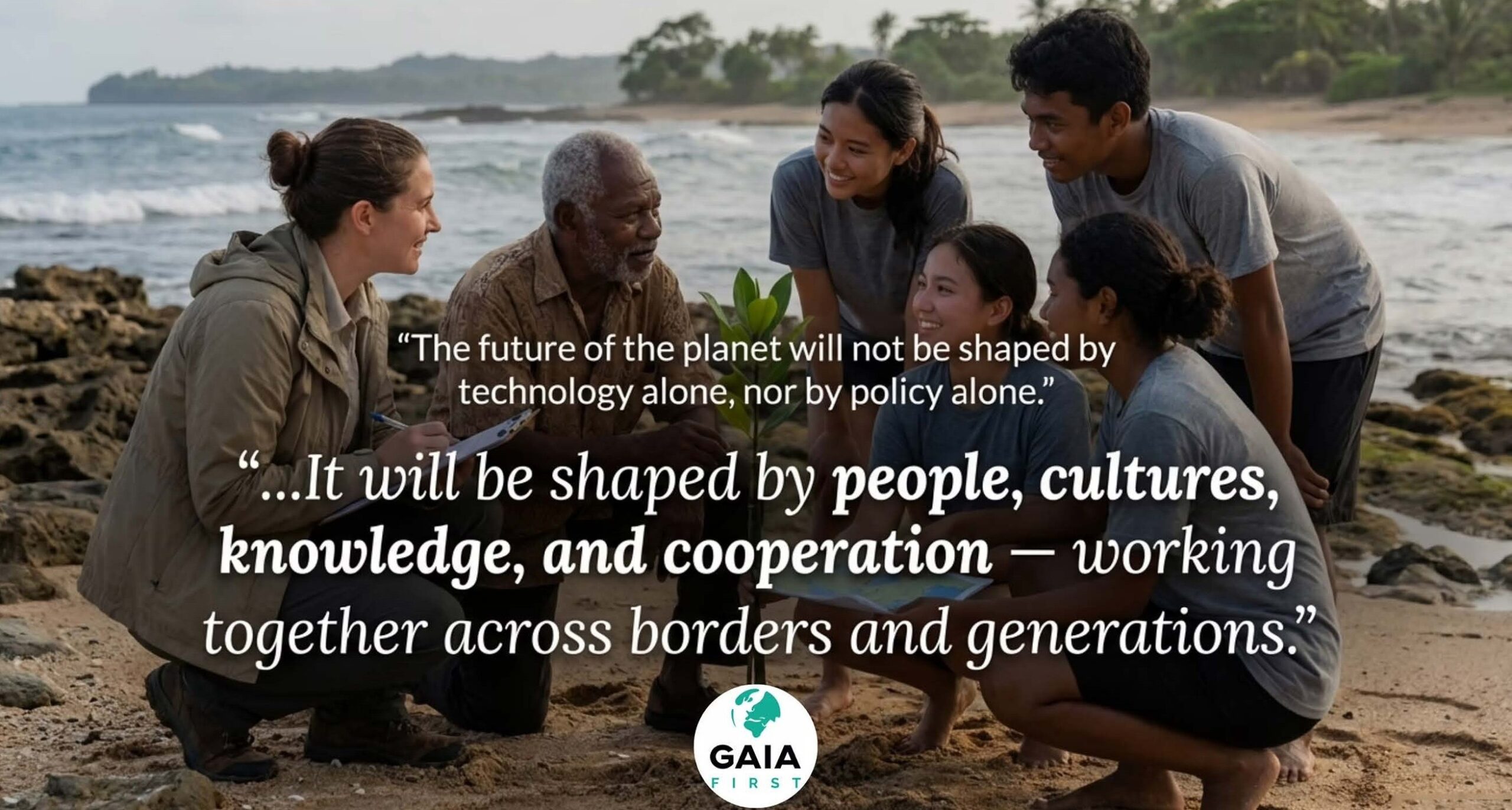
This ambitious project aims to bridge the gap between traditional knowledge and ecological science, creating a holistic approach to environmental education through local school initiatives. Its primary objective is to empower students and local communities to recognize, value, and actively help preserve traditional ecological knowledge.
Lead organisation: Gaia First, Paris (HQ), Mumbai, Miami.
Location: Coastal Mediterranean, Sub-Saharan Africa, and expanding globally – 150 hubs across 60+ countries by 2030
Guardians of Gaia is a global programme spanning terrestrial, freshwater, island, and marine environments, grounded in the belief that effective conservation must be both transgenerational and transdisciplinary. Developed by Gaia First as an official UN Ocean Decade Action, supported by UNESCO and under the patronage of the French National Commission for UNESCO, it connects ecosystem health with the cultural, scientific, educational, and governance systems that shape how environments are understood, managed, and protected.
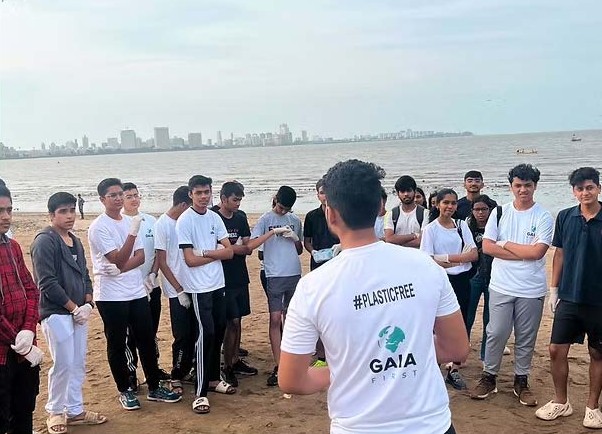
Its maritime branch, Mare Nostrum, represents the first large-scale deployment phase, combining a network of coastal hubs with a Mediterranean sailing expedition. The hub model is designed to be adaptable across diverse ecological and cultural contexts, serving as territorial platforms where youth, communities, institutions, researchers, knowledge holders, and practitioners collaborate on conservation, cultural transmission, and environmental governance.
Across all territories, the hubs bring together locally anchored as well as harmonised protocols, including eDNA monitoring, underwater acoustics, invasive species tracking, citizen-science pollution mapping and more, contributing to a shared global knowledge ecosystem while strengthening intergenerational and intercultural transmission.
The hubs address a structural imbalance: youth and living closest to the most vital ecosystems often hold deep ecological knowledge, yet remain distant from academic science, technical infrastructures, institutional networks, and decision-making spaces. By integrating scientific tools, governance literacy,and cultural knowledge within the territories themselves, the programme creates the conditions for agency, stewardship, and leadership. Through the Guardians App and the Earth Twin open-science platform, local actions become globally visible contributions within a living network of shared knowledge.
With a strong commitment to gender equity and girls’ leadership, the programme inspires vocations in environmental science, conservation, cultural heritage, and governance. The 2027 Mediterranean expedition aboard the Pelican of London will connect the Mediterranean hubs, bringing together 40 young people for hands-on fieldwork, cultural, environmental and science diplomacy. By linking these territories through a shared journey, the expedition will celebrate, amplify and extend the impact of the these hubs, strengthening their role within a wider regional and global ecosystem of action.
Collaborators and Partners:
United Nations & Intergovernmental Bodies:
UN Ocean Decade; French National Commission for UNESCO Patronage; UNESCO’s Intergovernmental Oceanographic Commission (IOC) and the Man and the Biosphere Programme (MAB); UNEP/MAP – Barcelona Convention and SPA/RAC, the regional framework uniting 22 Mediterranean countries; International Maritime Organization (IMO) — Ocean Litter Programme and GloNoise underwater noise pollution programme
Scientific & Digital Innovation:
CBAS — International Research Center of Big Data for Sustainable Development Goals (Chinese Academy of Sciences), lead institution of the UNESCO-endorsed Digital Sustainable Development Goals Programme (DSP)
European & Regional Networks
European Commission; EU4Ocean — the European Ocean Coalition, supported by the European Commission, connecting organisations contributing to ocean literacy and sustainable ocean management
Education & Civil Society
FEE — Foundation for Environmental Education; UNIMED — Union of Mediterranean Universities; Cultural Heritage Framework Programme (CHFP), coordinated by the University of Edinburgh on behalf of the Ocean Decade Heritage Network (ODHN); SeaVoice

Related Decade Actions
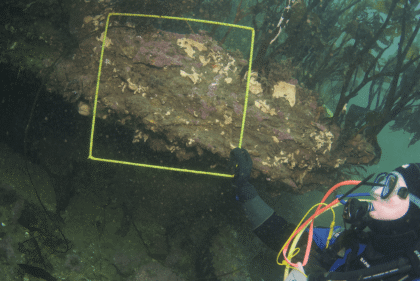
Marine Heritage Solutions for Climate Resilience
Marine cultural heritage (MCH) — including but not limited to shipwrecks, submerged landscapes, coastal structures, traditional practices, and communities’ relationships...
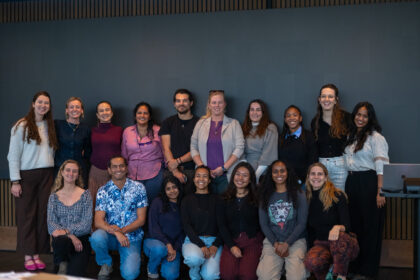
The Wavemakers Programme
The Wavemakers programme is a new initiative launched by Blue Marine, in partnership with Rituals and Edinburgh Ocean Leaders, to...
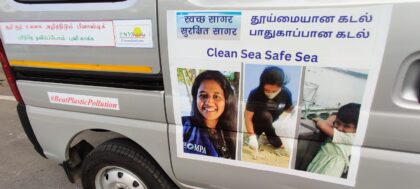
MPAthy: Marine Plastics Abatement Through Hopeful...
MPAthy cultivates ocean stewardship though ocean literacy, preservation and revival of cultural practices that are upstream circular economy practices. It...
Funded by

Partners

