
Marine Heritage Solutions for Climate Resilience
Marine Heritage Solutions for Climate Resilience is a multi year interdisciplinary project investigating how marine cultural heritage can contribute actively to climate adaptation, mitigation, ecosystem recovery, and sustainable ocean management.
Lead institution: University of Oxford
Locations: Global
Marine cultural heritage (MCH) — including but not limited to shipwrecks, submerged landscapes, coastal structures, traditional practices, and communities’ relationships with the sea — is an important but often overlooked component of ocean resilience. Marine management commonly treats natural and cultural heritage separately, despite the close connections between ecological systems, cultural landscapes, and the people who depend upon them.
Marine Heritage Solutions for Climate Resilience is a multi year interdisciplinary project investigating how marine cultural heritage can contribute actively to climate adaptation, mitigation, ecosystem recovery, and sustainable ocean management. Rather than viewing heritage solely as something threatened by climate change, the project explores how it can function as an environmental indicator, ecological habitat and baseline, platform for community engagement, and practical component of resilience planning.
The project combines the development of a new framework for understanding the social dimension of the ocean with a global practitioner survey and three contrasting case studies spanning offshore, coastal, and inshore environments. Together, these activities examine how cultural and ecological knowledge can be integrated into marine science, policy, and decision-making, helping to bridge the traditional divide between nature and culture.
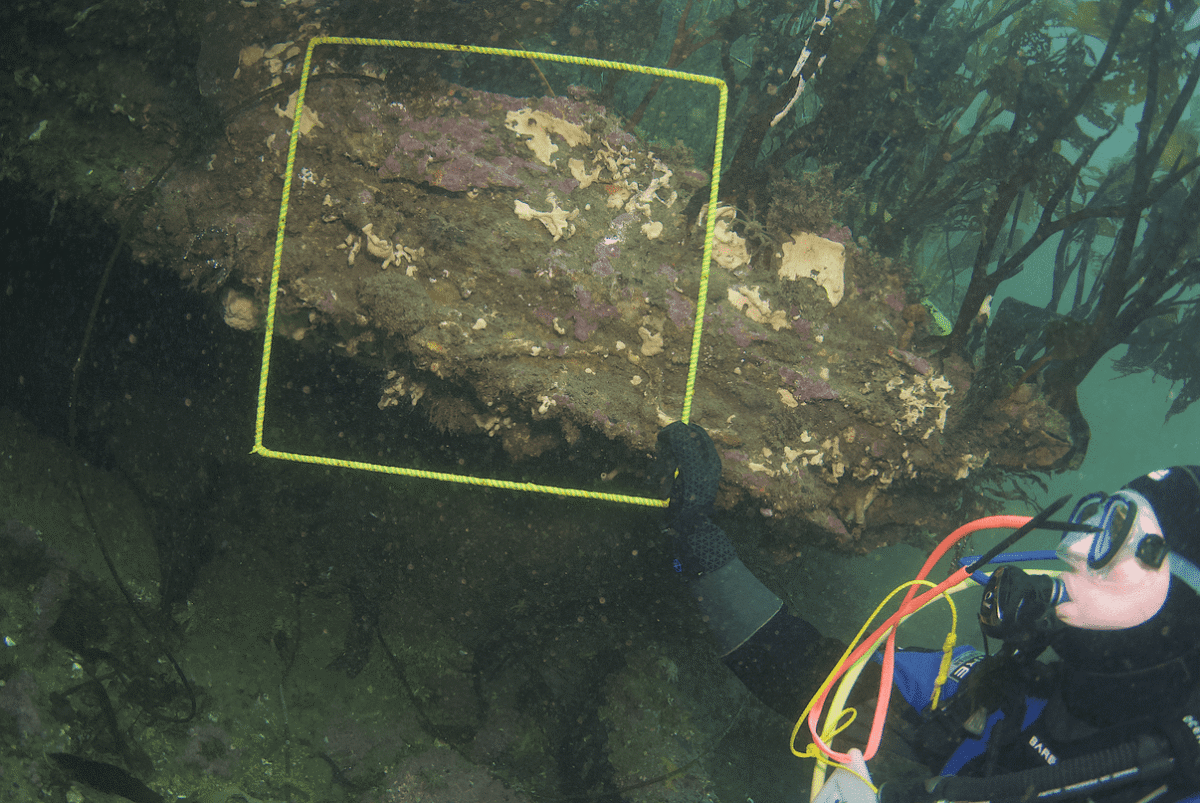
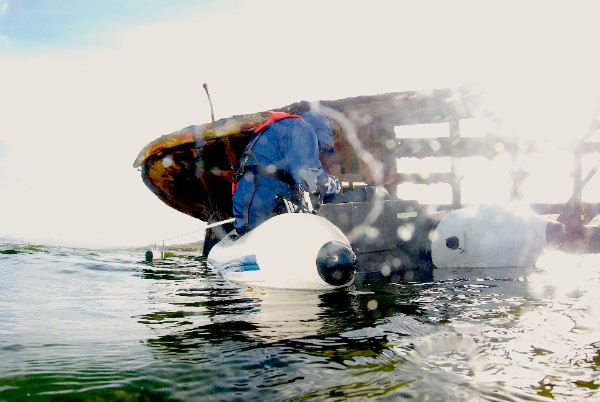
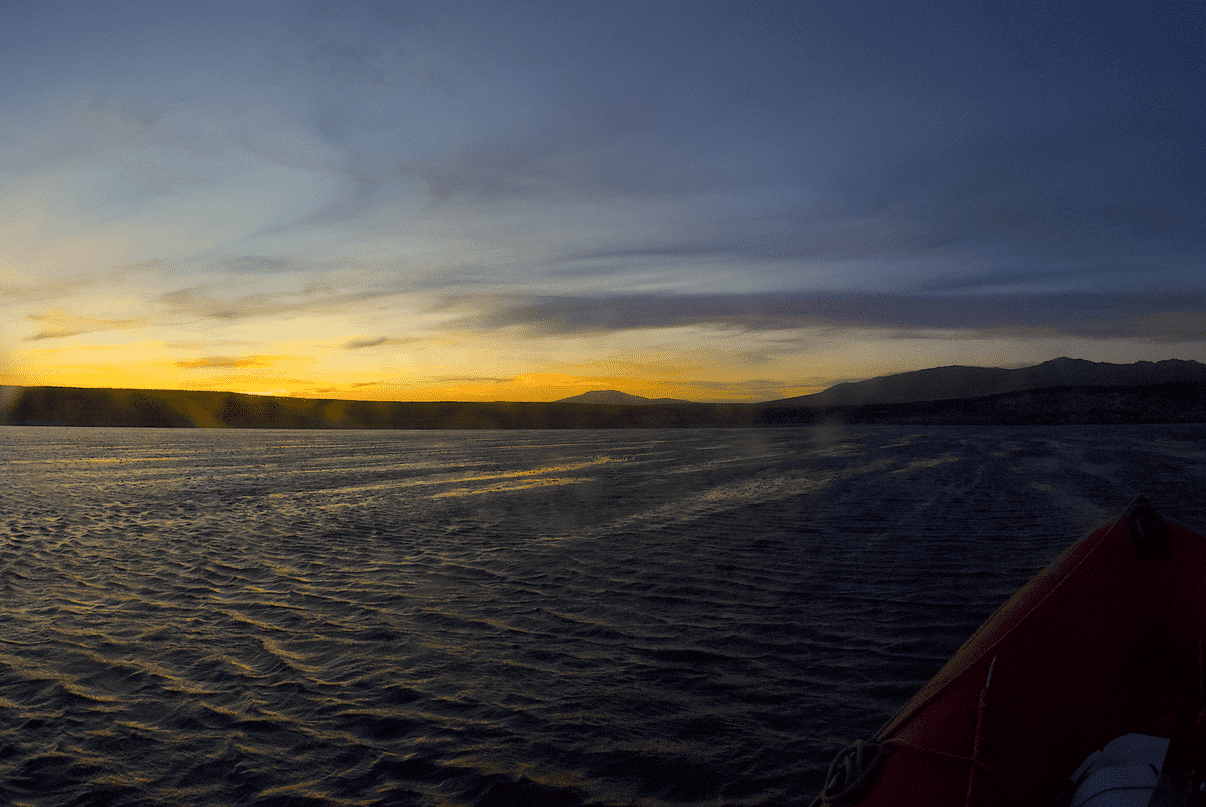
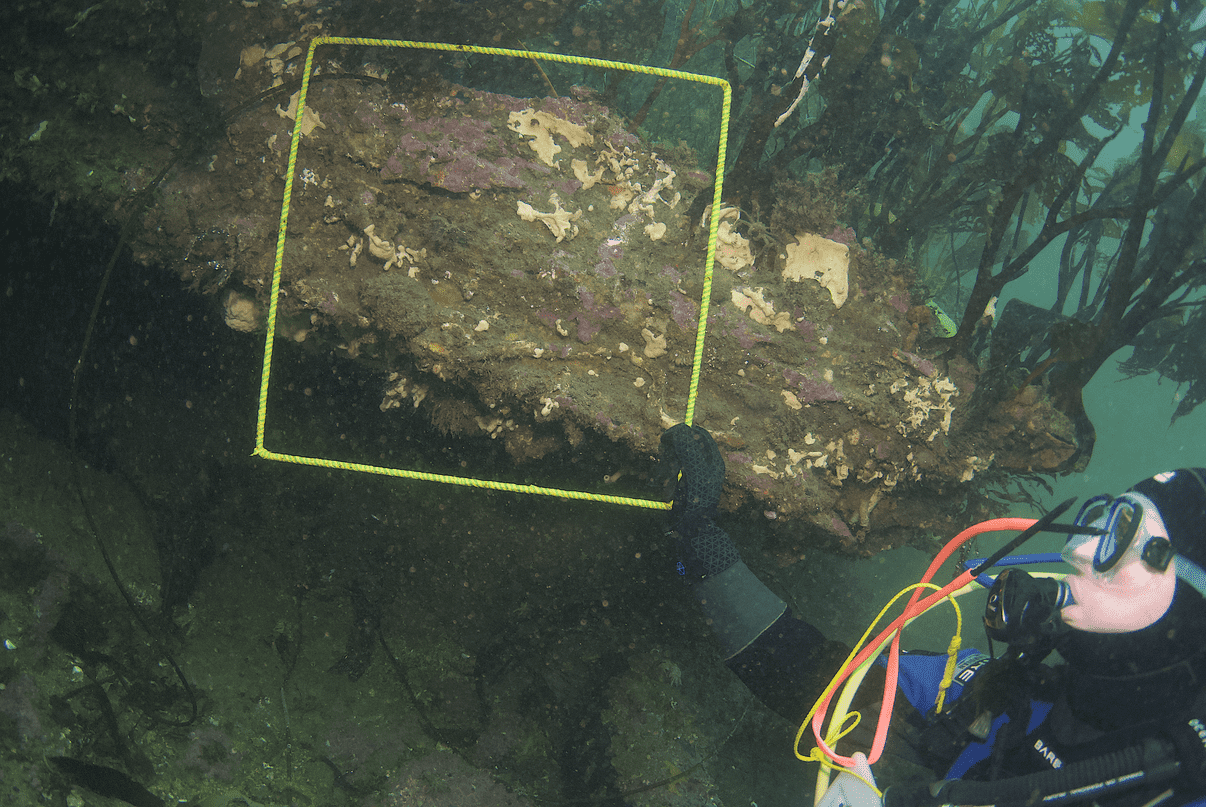
In the Falkland Islands and the Southern Ocean, research examines shipwrecks and associated marine species to understand how cultural heritage can provide ecological baselines and indicators of environmental change. Surveys of wooden and metal wreck sites investigate species presence, abundance, and richness, including the distribution of shipworm as a potential indicator of changing ocean conditions. The research also draws upon the knowledge of residents and practitioners familiar with local seascapes, species, weather patterns, and maritime heritage.
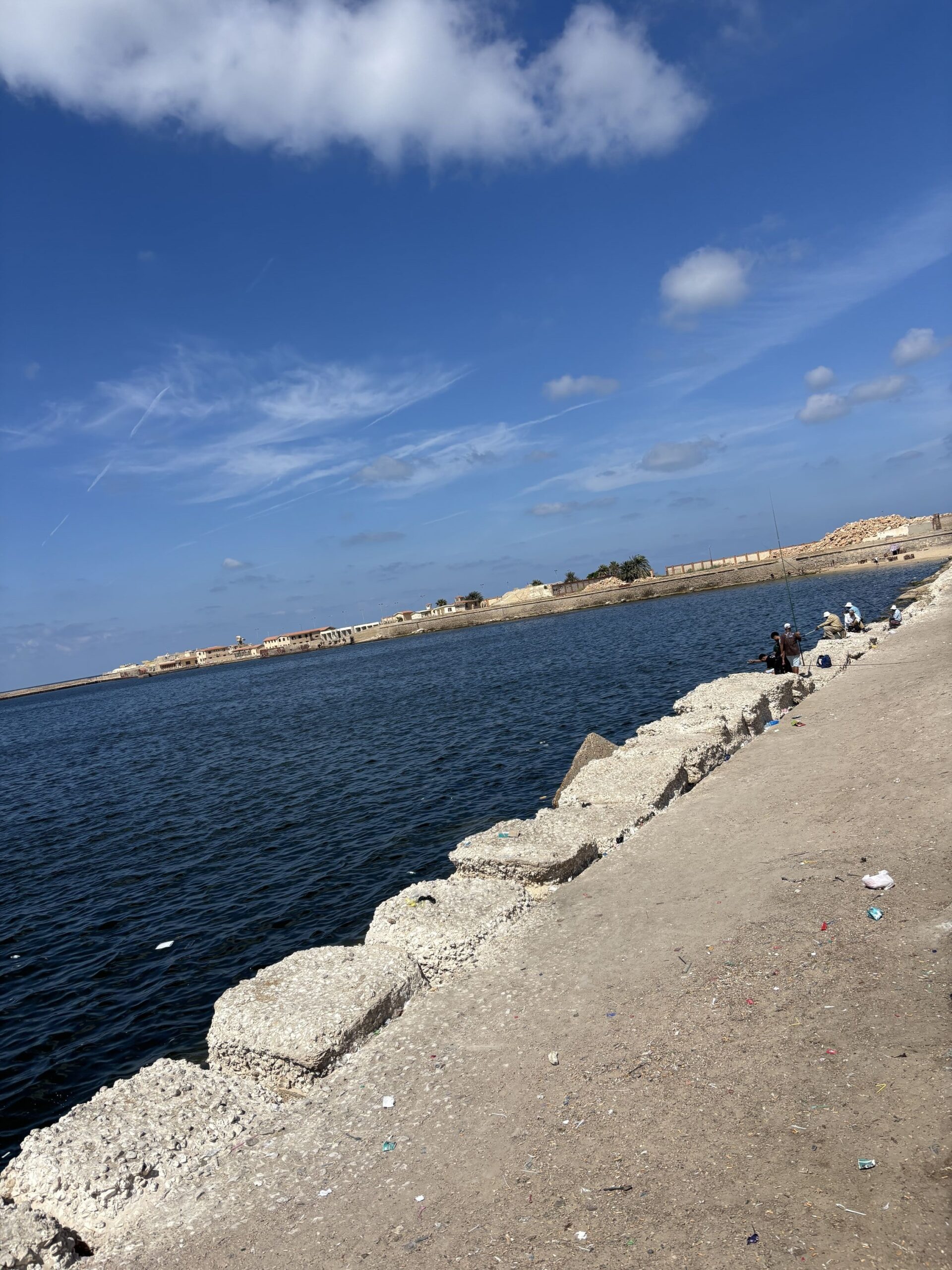
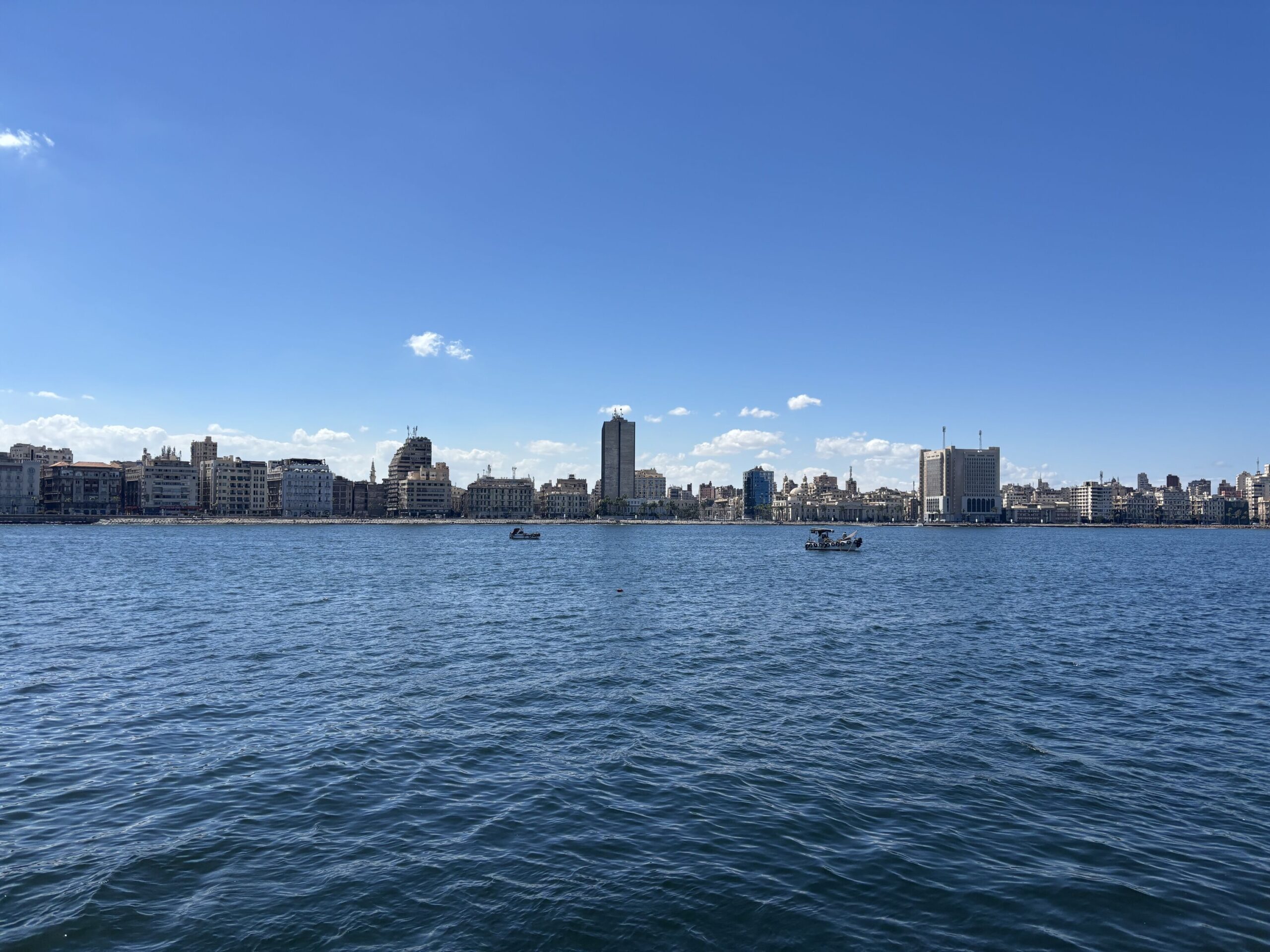
In Egypt, the project combines archaeological and geological datasets to reconstruct long-term coastal change and past adaptation. A geospatial database and a +1 metre sea level rise scenario will explore how marine cultural heritage can inform future adaptation in a densely populated and environmentally complex part of the Nile Delta. Public engagement and collaboration with local researchers and practitioners accompany this work, helping translate heritage and environmental knowledge into resilience planning.
In the United Kingdom, the project examines how marine cultural heritage intersects with ecological restoration, marine licensing, and permitting. Working across heritage,
environmental, and government organisations, the research investigates regulatory barriers affecting activities ssuch as habitat restoration and explores how cultural and ecological considerations can be incorporated more effectively into marine decision making.
Ultimately, Marine Heritage Solutions for Climate Resilience aims to demonstrate that cultural heritage is not simply something that must be protected from a changing ocean. By bringing together archaeology, ecology, marine planning, and policy, the project seeks to establish MCH as an active contributor to ocean resilience and to develop approaches that can be adapted across different environmental, cultural, and governance contexts.
Partner organisations:
Related Decade Actions
The Wavemakers Programme
The Wavemakers programme is a new initiative launched by Blue Marine, in partnership with Rituals and Edinburgh Ocean Leaders, to...

MPAthy: Marine Plastics Abatement Through Hopeful...
MPAthy cultivates ocean stewardship though ocean literacy, preservation and revival of cultural practices that are upstream circular economy practices. It...

The Marine Data Exchange Heritage Accelerator...
The MDEHA project is a two-year marine data project led by Historic England. It forms part of the Offshore Wind Evidence and...
Funded by


Partners

