
Endure: Sustainable Preservation of Underwater Cultural Heritage
ENDURE aims to disentangle both natural and anthropogenic decay processes, determine their cumulative and interactive effects on underwater cultural heritage in situ, and propose a novel framework to preserve this heritage based on site entropy.
Lead Institution: The National Museum of Denmark
Location: Denmark
Preserving the remains of the past for the benefit of future generations is a common approach in international heritage policy. Current management practice advocates preserving underwater cultural heritage where it lies on the seabed, in situ. However, this practice is questioned due to a lack of understanding of the entangled threats posed by multiple natural and anthropogenic drivers.
In a rapidly changing ocean, and with increasing human exploitation of the marine environment, it is necessary to develop new concepts for assessing and preserving the underwater cultural heritage.
With over 3,000,000 shipwrecks and thousands of submerged prehistoric sites lying on the floors of the world’s oceans, ENDURE aims to disentangle both natural and anthropogenic decay processes, determine their cumulative and interactive effects on underwater cultural heritage in situ, and propose a novel framework to preserve this heritage based on site entropy, by the following approaches:
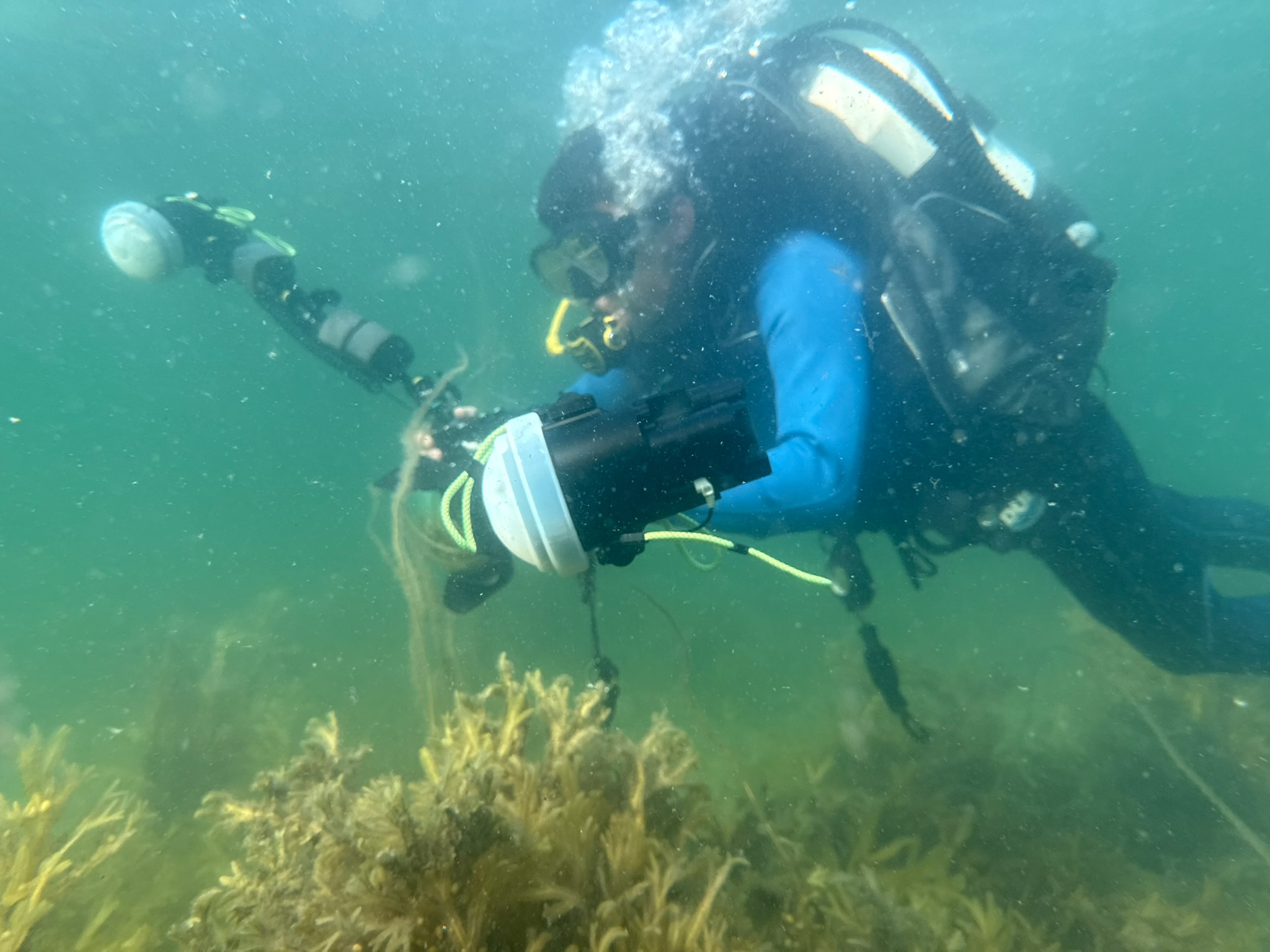
1) Detect, visualise and interpret the products of natural and anthropogenic decay of shipwrecks and submerged prehistoric sites using marine remote sensing data, integrated with natural and anthropogenic variables in a GIS platform.
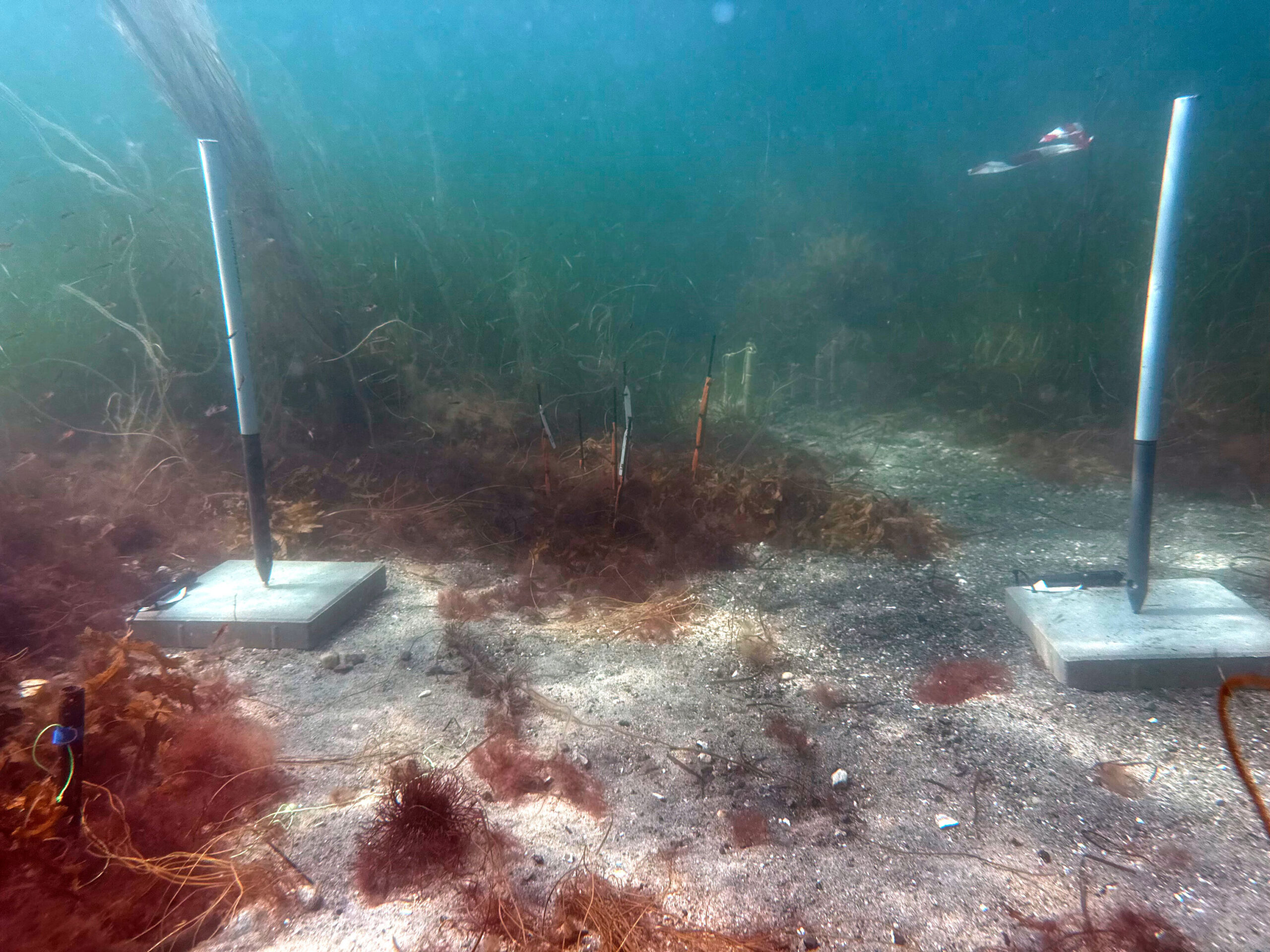
2) Determine key natural processes and rates of decay of archaeological materials in situ and in the laboratory.
3) Remotely identify and rank decay processes, including threats to hidden and inaccessible heritage sites using ecosystem modelling.
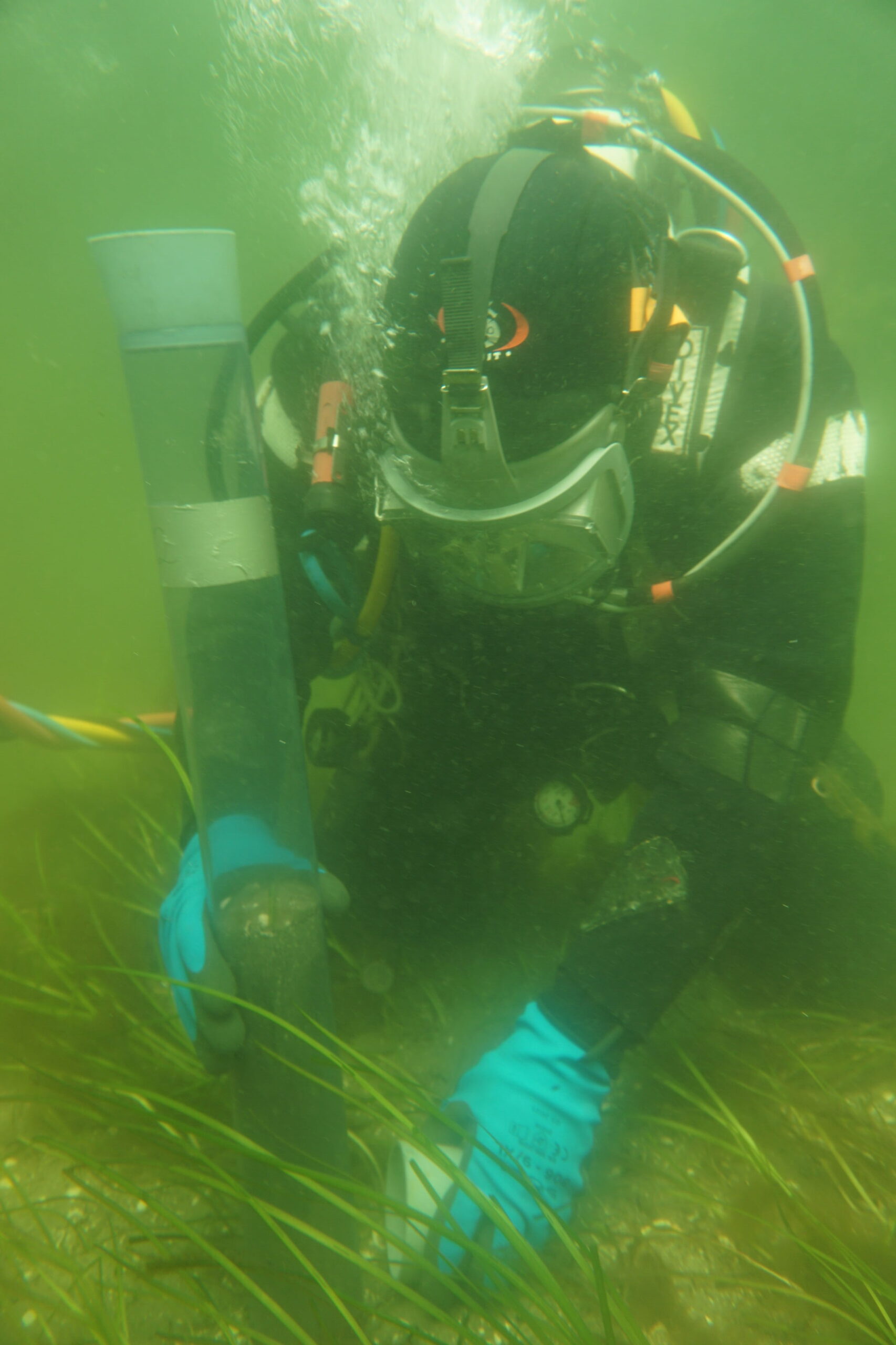
4) Propose novel intervention methods to mitigate threats to UCH (e.g. seagrass planting to prevent erosion) and develop strategies for curated decay.
The project ensures that scientific innovation directly informs decision-making and enables the sustainable stewardship of underwater cultural heritage within the broader context of ocean sustainability and climate resilience. ENDURE is designed to ensure that science is not confined to academic outputs but actively shapes management practices. Specific pathways include: Integration into marine spatial planning via entropy-based models of site stability and degradation risk. Policy-ready GIS products and vulnerability maps usable by heritage agencies and planners. Decision-support tools that combine physical, biological, and sociocultural factors in conservation strategy development.

Collaborations:
ENDURE is an independently developed scientific initiative developed by Principal Investigator Professor David Gregory and supported by the European Research Council. The project is intentionally structured to be co-delivered with a broad network of researchers, practitioners, and stakeholders to ensure the scientific outputs directly support decision-making, policy development, and innovative heritage management practices.
A diverse network of researchers and institutional partners from the National Museum of Denmark, the Sea War Museum and Ulster University contributes to the co-delivery of the project, ensuring scientific results are translated into tools and insights with real-world relevance. The team is multidisciplinary and includes marine scientists, heritage managers, conservation practitioners, policy advisers, engineers, and spatial planners—each with a vested interest in the sustainable management of submerged heritage. The project is engaging national heritage authorities, marine planning agencies, and conservation NGOs for co-delivery of outputs and alignment with marine policy priorities.
Related Decade Actions
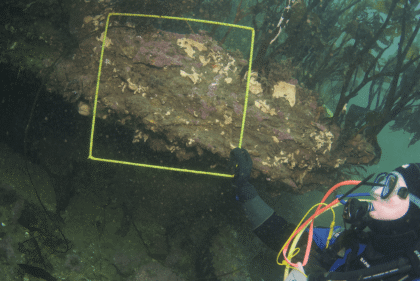
Marine Heritage Solutions for Climate Resilience
Marine cultural heritage (MCH) — including but not limited to shipwrecks, submerged landscapes, coastal structures, traditional practices, and communities’ relationships...
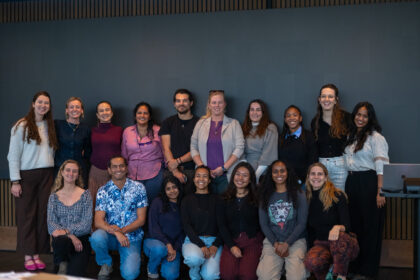
The Wavemakers Programme
The Wavemakers programme is a new initiative launched by Blue Marine, in partnership with Rituals and Edinburgh Ocean Leaders, to...
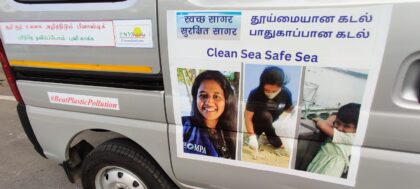
MPAthy: Marine Plastics Abatement Through Hopeful...
MPAthy cultivates ocean stewardship though ocean literacy, preservation and revival of cultural practices that are upstream circular economy practices. It...
Funded by


Partners

